What Inspired Me

unknown music lover from Japan. This blog wrote in both Japanese and English.

A Trumpet Blazing Through the City's Highway

The first time I really listened to Nils Petter Molvær, what came to mind was a highway cutting through a city at midnight. The feeling of a trumpet tearing through an endless urban skyline built by programmed beats. Not jazz, not electronica — something that is both at once.

His debut Khmer (1997) was undeniably revolutionary. But the album I keep returning to is Solid Ether (2000).

Why Solid Ether Over Khmer

Khmer is full of the excitement of a first encounter between jazz and electronica. But Solid Ether takes that fusion deeper, completing it with a denser, more distinctly urban weight.

The decisive difference is the proportion of programmed beats. The opening track “Dead Indeed” was made by essentially two people: Molvær himself and his longtime collaborator, guitarist Eivind Aarset. Aarset's noise-laden guitar saturation weaves through the track, while Molvær handled the majority of the synthesizers, samplers, loops, and effects processing alone. Looking at the credits, he played trumpet, piccolo trumpet, synthesizer, bass, loops, electronics, sampler, percussion, piano, and vocoder trumpet — all by himself.

The texture built up by one person layering this much is cold and solid, like a city's highway flanked by concrete towers standing wall to wall with no gap between them. That's why the title Solid Ether is precise — ether was once the hypothetical substance thought to fill the universe and carry light, and this album solidifies air itself through electronic sound. Like a car's headlights blazing down a midnight highway, stretched into a single line of light by long exposure. A fog with density. A solidified trail of light.

Through that dense wall of beats, a single trumpet cuts its way.

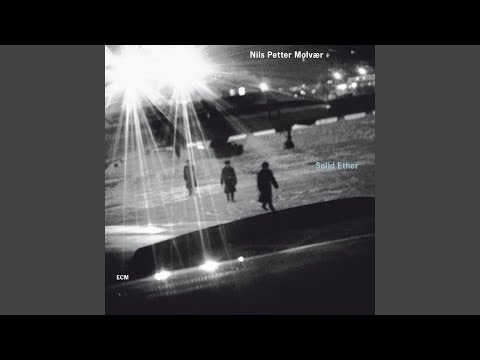
Solid Ether

The Rush and the Solitude Molvær's Trumpet Creates

His trumpet playing has a distinctive acoustic logic behind it.

The most characteristic element is the deliberate erasure of the attack — the moment a note begins. Using a volume pedal and deep reverb, he shapes the sound so it seems to materialize after the fact, arriving already in motion. Rather than landing as a fixed point in space, each note reaches the ear already moving in a direction.

Long delay adds a trailing “tail” to the sound. Like a long-exposure photograph of a highway at night, where taillights become a single unbroken line stretching into the dark — that visual effect is reproduced acoustically.

And then there is the breathy, husky tone. With the microphone placed as close to the bell as possible, the recording captures the moment the lips vibrate, the sound of breath grazing the inside of the tube. However much electronic space Molvær constructs around it, at the core is an irreducible fact: right now, here, a single human being is exhaling.

That bare solitude is what Solid Ether carries. The presence of someone standing alone on a riverbank in the dark, playing trumpet toward the water — urban velocity and loneliness coexisting in the same sound.

ER (2001) pushes that direction further still. The concept of playing melody becomes increasingly thin; the trumpet functions as raw material for building ambient texture. Darker, more spatial than Solid Ether's rush. These two albums, listened to together, document how far Molvær's dialogue with electronica could go.

ER

Be Quiet — From Speed to Drift

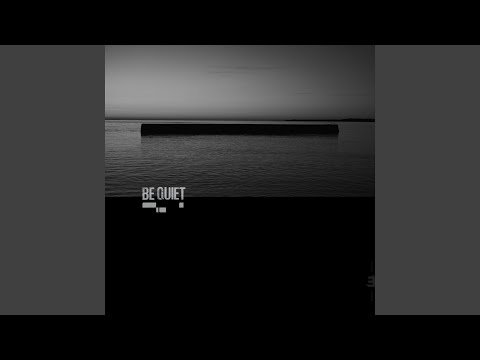
On July 10, 2026, Molvær releases a new album: Be Quiet.

The concept: nine tracks, nine cities, each a duo with a different artist. Imogen Heap (voice/electronics), John Paul Jones (piano — yes, the Led Zeppelin bassist), Marilyn Mazur (percussion), Chinese guzheng player Chang Jing, Iranian kamancheh player Soheil Shayesteh, cellist Anja Lechner. And “Berlin-orbit 4” (9:07) with Alva Noto (Carsten Nicolai).

Alva Noto is a Leipzig-born electronic musician, known for his long collaboration with Ryuichi Sakamoto and as co-founder of the raster-noton (now raster-media) label. Where the electronic sound of Solid Ether was a solid wall of urban architecture, Alva Noto's electronics are something harder and more reduced — crystalline.

Listening to “Berlin-orbit 4” makes that contrast vivid. Alva Noto fills an ambient space, and through it Molvær's trumpet and voice drift. Rhythmic electronic sounds like rain hitting a tin can appear, then dissolve into the fog. Molvær's voice recalls Arve Henriksen — something between instrument and breath, spreading through the space and fading as it goes.

If Solid Ether was an album that builds sound up, “Berlin-orbit 4” is nine minutes of sound dissolving. The title Be Quiet states that posture directly: stop talking first, and listen.

Where Solid Ether had Molvær assembling every layer alone, Be Quiet has him stepping into the sonic world of each collaborator across nine cities and responding in real time. From solitary construction to dialogue with place and person. Twenty-five years on, the turn from speed to drift.

Berlin-orbit 4 from Be Quiet

A Single Landscape

Many jazz musicians have incorporated programmed beats since. Combining electronica and improvisation is no longer a rare approach.

What makes Molvær exceptional is his ability to present these different elements as a single landscape. Beats and trumpet, electronic sound and acoustic sound, city and solitude, speed and drift — in his music, none of these oppose each other. They coexist within one continuous field of vision.

The simultaneous rush and loneliness of driving a city's highway alone at midnight. The silence of sound dissolving into fog. Both arise from the breath of the same one human being. That is the irreplaceable talent of Nils Petter Molvær.

首都高を疾走するトランペット

Nils Petter Molvær(ニルス・ペッター・モルヴェル)の音楽を初めてちゃんと聴いたとき、私が思い浮かべたのは深夜の首都高だった。打ち込みが生み出すどこまでも続くビルの風景を、トランペットが変幻自在に突き抜けていくような感覚。ジャズでもエレクトロニカでもなく、そのどちらでもある何か。

彼のデビュー作「Khmer」(1997年)は確かに革新的だった。しかし私が繰り返し手に取るのは「Solid Ether」(2000年)の方だ。

なぜKhmerよりSolid Etherなのか

「Khmer」は、ジャズとエレクトロニカの出会いとしての驚きに満ちている。しかし「Solid Ether」では、その融合がさらに深く、より都会的な密度を持って完成されている。

決定的な違いは打ち込みの比重だ。「Solid Ether」のオープニングトラック「Dead Indeed」は、盟友ギタリストEivind Aarsetと、Molvær自身のほぼ二人だけで作られている。Aarsetのノイズをはらんだギターサチュレーションを交えながら、シンセサイザー、サンプラー、ループ、エフェクト処理の大部分をMolværが一人で担当した。クレジットを見ると、彼はこのアルバムでトランペット、ピッコロトランペット、シンセサイザー、ベース、ループ、エレクトロニクス、サンプラー、パーカッション、ピアノ、ボコーダートランペットを一人で操っている。

一人の人間がこれだけの層を積み重ねて作り上げたテクスチャは、まるでコンクリートのビルが隙間なく連なるように、冷たくソリッドで、隙間がない。だからこそ「Solid Ether」という題名は正確だ——エーテルとはかつて宇宙に満ちると仮定された光の媒介物質だが、そのアルバムは光ではなく電子音によって空気を固体化してみせた。深夜の高速道路を疾走する車のヘッドライトが、長時間露光で一本の光の線になって伸びるように。密度を持った霧、あるいは固体化した光の軌跡。

その濃密なビートの壁を切り裂くように、一本のトランペットが飛んでいく。

Solid Ether

モルヴェルのトランペットが生む疾走感と孤高

彼のトランペット奏法には独特の音響的仕掛けがある。

最も特徴的なのは、音の立ち上がり(アタック)を意図的に消すことだ。ボリュームペダルや深いリバーブを使い、音が事後的にフワッと現れるように吹く。これにより、音が出た瞬間に「点」として固定されず、最初からある方向へ向かって「進んでいる状態」で鼓膜に届く。

加えてロングディレイが音の「尾」を作る。夜の高速道路を長時間露光で撮影したときに車のテールランプが一本の光の線になって伸びる——あの視覚的な効果が、音響的に再現されているのだ。

そしてハスキーな気音(ブレス)。マイクをベルの極限まで近づけることで、唇が震える瞬間、息が管を擦る音が直接収録される。どんなにエフェクターで空間を構築しても、核心にあるのは「いま、ここで、一人の人間が息を吐き出している」という事実だ。

この生身の孤高感が「Solid Ether」にはある。多摩川の土手で一人、暗い水面に向かってトランペットを鳴らしている人の気配——都会の疾走感と孤独が、同じ音の中に共存している。

「ER」(2001年)はその方向性をさらに推し進めたアルバムだ。メロディを吹くという概念が希薄になり、トランペット自体がアンビエントの質感を作り出す素材として機能する。「Solid Ether」の疾走感よりも、より暗く、より空間的な世界だ。この二枚は、Molværのエレクトロニカとの対話がどこまで深く行けるかを示した記録として、並べて聴く価値がある。

ER

新作「Be Quiet」——疾走から浮遊へ

そのMolværが2026年7月10日、新アルバム「Be Quiet」をリリースする。

構成は9曲9都市、それぞれ異なるアーティストとのデュオという形式だ。Imogen Heap(ボイス/エレクトロニクス)、John Paul Jones(ピアノ——レッド・ツェッペリンのベーシストである)、Marilyn Mazur(パーカッション)、中国の古箏奏者Chang Jing、イランのカマンチェ奏者Soheil Shayesteh、チェリストAnja Lechner。そしてAlva Noto(カールステン・ニコライ)との「Berlin-orbit 4」(9分7秒)。

Alva Notoはライプツィヒ出身の電子音楽家で、坂本龍一との長年のコラボレーションや、raster-noton(現raster-media)レーベルの共同設立者として知られる。Solid Etherの電子音が「都市を構成する固体の壁」だったとすれば、Alva Notoの鳴らす電子音は「硬質に削ぎ落とされた結晶」だ。

実際に「Berlin-orbit 4」を聴くと、その対比が鮮明になる。Alva Notoがアンビエントな空間を満たし、そこをMolværのトランペットと声が浮遊する。空き缶に跳ねる雨のようなリズム的な電子音が鳴るかと思えば、それはやがて霧に溶け込んでいく。Molværの声はArve Henriksenを思わせる、楽器とも声ともつかない、空間に広がりながら消えていくような音だ。

「Solid Ether」が「音を積み上げる」アルバムだったとすれば、「Berlin-orbit 4」は「音が溶けていく」9分間だ。「Be Quiet(静かにしろ)」というタイトルは、その姿勢をそのまま表している——まず黙って、聴け。

「Solid Ether」でMolværが一人で全ての層を積み上げたとすれば、「Be Quiet」では世界各地の異なる音楽的文脈を持つアーティストの空間へ入り込み、そこでリアルタイムに応答する。孤高の構築から、場所と人との対話へ。25年かけて辿り着いた、疾走から浮遊への転換点だ。

Berlin-orbit 4 from Be Quiet

ひとつの景色として

打ち込みを取り入れたジャズミュージシャンはその後多く登場した。エレクトロニカとインプロビゼーションを組み合わせることは、今やそれほど珍しいアプローチではない。

しかしMolværが特筆すべきなのは、それらの異なる要素を「ひとつの景色」として見せる能力だ。ビートとトランペット、電子音と生音、都市と孤独、疾走と浮遊——彼の音楽の中でこれらは対立せず、ひとつの連続した視野の中に共存している。

深夜の首都高を独りで駆け抜けていく全能感と孤独感。霧の中に音が溶けていく静寂。どちらも同じ一人の人間の息から生まれている。それがNils Petter Molværという音楽家の、他に代えがたい才能だ。

概要: Vashti Bunyan、Stina Nordenstam、Susanna——三者それぞれの名前を挙げれば、音楽に深く通じた人間でも首をかしげるかもしれない。しかし彼女たちが残した作品は、同時代の「認められた」アーティストたちに少しも劣らない。なぜこれほど聴かれないのか、なぜ今になって再評価されているのか。埋もれた女性シンガーソングライターたちの軌跡と、音楽の「正史」がいかにして特定の声を排除してきたかを考える。

1. ヴァシュティ・バニヤン

囁くフォークの、手つかずの先駆者

1970年、ヴァシュティ・バニヤンは『Just Another Diamond Day』をリリースした。馬車に乗ってイギリスの田舎をゆっくりと旅する中で生まれたアルバムだ。発売当初は無視され、バニヤンは数十年にわたって音楽業界から身を引くことになったが、このアルバムはその後、フリークフォークやバロックポップの伝説的な原型となった。

彼女の声はアコースティックなアレンジと張り合うことはない。代わりに、繊細なアコースティックギターやマンドリン、弦楽器の上を漂う霧のように浮かんでいる。それは「歌いすぎない」ことの力を見せつけるお手本であり、純粋に持続する囁きが、どんな大きな叫びをも凌駕しうることの証明だ。

YouTubeで聴く:「Just Another Diamond Day」

YouTube video

彼女の音楽は長い間、忘れ去られていた。しかし才能あるミュージシャンたちが彼女の音楽を再評価し、彼女はカムバックを果たして、いくつかのアルバムを制作した。

YouTube video

2. スティーナ・ノルデンスタム

スウェーデン出身のスティーナ・ノルデンスタムは、謎めいた存在感を放つアーティストだ。1990年代の傑作『Memories of a Color』や『And She Closed Her Eyes』は、アヴァンポップとヴォーカル・ジャズの境界を再定義した。子供のような囁き声でよく語られる彼女の声は、見かけによらず剃刀のような鋭い強さを秘めている。

豊かでオーガニックなジャズのダブルベース、繊細なホーン、予測不能なアヴァンギャルドなアレンジを背景に、彼女の声は決して楽器に埋もれることがない。音と音の間の空間を支配し、沈黙と抑制を物理的な質感として用いる。伝統的なポップ・ヴォーカルのダイナミクスに従うことを拒んだ彼女の作品は、時代から完全に切り離されているかのように感じられる。

YouTubeで聴く:「Memory of Color」

YouTube video

3. スザンナ(スザンナ&ザ・マジカル・オーケストラ)

北欧的抑制が放つ、冷たく青い光

ジャズの素養を深く身につけ、ノルウェーのアヴァンギャルド・レーベル「Rune Grammofon」から重要な初期作品をリリースしたスザンナ・ヴァルムロード。キーボード奏者モルテン・クヴェニルとのプロジェクト「マジカル・オーケストラ」とともに、彼女は音の「冷たさ」を芸術の域にまで高めた。

『List of Lights and Buoys』の氷のようにミニマルなエレクトロニカを聴いても、『Melody Mountain』で名曲のロックナンバーを剥き出しのアコースティックな骨格にまで削ぎ落とした演奏を聴いても、スザンナのヴォーカルトーンは絶対的なコントロールの驚異だ。彼女の歌唱はクールで突き放したようでありながら、揺るぎない内なる重力に支えられている。ECMレコードの精神的系譜と同じく、彼女の音楽は沈黙を空虚としてではなく、ただひとつの突き刺すような声の隣にある、最も美しい音として扱う。

代表曲:「Who Am I」(スザンナ&ザ・マジカル・オーケストラ)

YouTube video

彼女が(一部で)知られている理由

彼女のアルバムは北欧のマイナーレーベルや、Rune Grammofonのようなジャズ系レーベルからリリースされている。そのため、北欧のポップ・ミュージックを聴く層以外にはなかなか届かない。しかし、彼女の才能はまぎれもなく天才的だ。

YouTube video

概要: ポストクラシカルはアイスランドとベルリンだけの話ではない。ヴィブラフォンのバーに金属片やフェルトを置き、アコースティックなモジュラーシンセのように扱うMasayoshi Fujita。電子機器を一切使わないのに、シーケンサーのリズムを弦とピアノだけで再現する台湾のCicada。そして[.que]とshuta hasunuma——東アジアから、ポストクラシカルの構造そのものを静かに書き換えようとしている4人の仕事を追う。

現代のアンビエント/ポストクラシカル・ミュージックのシーンは、いま変化のただ中にある。このジャンルは長らくアイスランドの凍えるような冷たさ、あるいはベルリンやロンドンのミニマルなスタジオに根ざしてきたが、いま東アジアから、はっきりとした、心を捉える共鳴が生まれつつある。

電子シンセサイザーを多用して空間を構築するのではなく、この地域の現代アーティストたちは、伝統的なアコースティック楽器を驚くほど現代的で鋭敏な感性で扱っている。ここでは、ポストクラシカルの構造を再定義する重要な存在たちを紹介したい——日本のMasayoshi Fujita、台湾のCicada、日本の[.que]、そして日本のshuta hasunumaだ。

Masayoshi Fujita:ヴィブラフォンを再構築する

ロンドン/ベルリンを拠点とする名門レーベルErased Tapesとの結びつきでよく知られるMasayoshi Fujitaは、構造的な静けさの達人である。彼の主たる楽器はヴィブラフォン——並みの奏者が扱えば、たやすく平板で画一的な反復に陥ってしまう楽器だ。

Fujitaはこの罠を、楽器を力で押し切ることではなく、それをアコースティックなモジュラーシンセサイザーのように扱うことで回避している。金属片やフェルト、ホイルの帯をヴィブラフォンのバーに直接置くことで、減衰そのものの質感を変化させているのだ。

ヴィブラフォン三部作であるStories(2012)、Apologues(2015)、Book of Life(2018)のようなアルバムでは、彼の音楽から奏者の自我が削ぎ落とされている。後に残るのは、極限まで研ぎ澄まされ、冷たく、そして美しい環境——一打一打、きらめく振動のすべてが、計算され尽くした空気の塊のように振る舞う世界だ。それは最も誠実な形のミニマル・ミュージックであり、音と音の間にある沈黙が、共鳴そのものと同じだけの重みを持っている。

YouTube video

Cicada:現代ミニマリズムのアコースティックな波

台湾出身で、日本のレーベルflauによってたびたび紹介されてきたCicadaは、ピアノ、ヴァイオリン、チェロ、アコースティックギターからなる卓越した室内楽アンサンブルである。

Cicadaを徹底的にユニークな存在にしているのは、その方法論だ。彼らは電子機器を一切使わないにもかかわらず、その音楽はポストロックやエレクトロニカに完全に通じる感触を持っている。彼らはきらめくような現代的な鼓動を、純粋にアコースティックな技巧のみによって達成する——速く緻密な弦の運弓と、ピアノによる絶え間なく精密なパターンが、シーケンサーのリズム的なケイデンスを模倣しているのだ。

代表作であるアルバム『Ocean』は、構造的なデザインの見事な達成である。このアンサンブルは、海が持つ物理的なダイナミクス——冷たい底流、泡立つ潮、そして広大な開放感——を捉えている。雄大なアレンジは時に豊かで表現力に富んだクライマックスへと傾くこともあるが、その根底にある基盤は、現代ミニマリズムにおける引き締まった、規律ある実践であり続けている。彼らは、デジタルによる操作がなくとも、深く現代的な空間の感覚を生み出せることを証明しているのだ。

YouTube video

私のベストトラック

代表曲「into the ocean(匯流向海)」は、このアプローチの見事な手本である。楽曲は、沈黙を切り裂くような、極限までミニマルで結晶のようなピアノのループを軸に構築されている。絡み合う弦楽がついにこの硬質な枠組みを突き破るとき、その変容は驚くべきものだ——それはロマンティックなメロドラマに頼ることなく、洗練され鋭い切迫感を放ち、音の地平を瞬時に押し広げていく。

YouTube video

[.que]:ポップとポストクラシカル構造が交差するメロディ

FujitaやCicadaが構造的な規律の空間を占めているとすれば、日本の[.que](柿本直)は、ジャンルの境界に挑む、生き生きとして高度にメロディックな対位法を持ち込む存在だ。一聴しただけでは、美しいピアノのメロディ、輪郭のはっきりしたアコースティックギター、そして有機的なドラムパターンが緻密に絡み合うそのスタイルは、「ポストクラシカル」という枠組みに収まるにはあまりにポップ寄りに感じられるかもしれない。

しかし、[.que]を単なるポップとして片付けてしまうのは誤りだろう。彼は重要でありながら、しばしば見過ごされてきた領域——現代ミニマリズムが持つ深い和声的な洗練を備えながらも、その繊細でインストゥルメンタルな性質ゆえにメインストリームのポップ・マシーンからは見過ごされてしまう音楽——を体現している。緻密に作り込まれたエレクトロニック=アコースティックの枠組みの中に、耳に残る歌のような旋律性を織り込むことで、[.que]は、現代的な空間が温かく、ノスタルジックで、そして間違いなくキャッチーでもあり得ることを思い出させてくれる。

YouTube video

YouTube video

Shuta Hasunuma:マキシマリストな自由の天才性

ジャンルについての注記:蓮沼執太はポストクラシカルの枠には収まりきらない。彼自身が「蓮沼執太フィルハーモニック・オーケストラ」を「現代版フィルハーモニック・ポップ・オーケストラ」と称しているように、その世界はポップ、ラップ、電子音楽をアコースティック楽器と自在に融合させるものだ。ここに彼を加えたのは、多様な楽器のための緻密なスコアを書く作曲家として、また大編成の集団的・多層的なアコースティック建築へのアプローチが、このリストの精神と深く共鳴するからである。

Fujitaが引き算の達人だとすれば、Shuta Hasunumaは集団的な調和を通じた音の究極的な解放を体現する存在だ。彼が率いる大編成の現代アンサンブル(蓮沼執太フィルハーモニック・オーケストラ)において、Hasunumaは木管・金管楽器から複雑なパーカッション、フィールドレコーディングに至るまで、驚くほど幅広いアコースティック楽器を操る。

彼の真の才能は、この膨大な数の声を、伝統的なクラシック編成が陥りがちな密集した、息苦しいほどの重みに堕することなくオーケストレーションできる手腕にある。代わりにHasunumaは、それぞれの楽器を独立した、呼吸する存在として扱い、それらを織り合わせて、驚くほど軽やかで透明感があり、間違いなく現代的なサウンドスケープを作り上げる。それは、労せずして成立しているように見えながら、きわめて人間的でもある複雑で多層的なアコースティック建築を、いかに構築するかを示す見事な手本だ——彼はもっと世界的に評価されてしかるべき、真のヴィジョナリーである。

彼のアプローチは、集団的な即興演奏が生む共同体的でポリリズミックな喜びを映し出している——複数の人間が音の中で絡み合う、混じり気のない純粋な恍惚を捉えているのだ。それはクラシックの規律についてではなく、集団的な解放についての音楽である。

私が一番好きなライブ映像はこちら YouTube video


木と金属、そして空間のあいだの静かな対話

Masayoshi FujitaとCicadaを同じ空間に置いてみると、そこには美しい音響的なコントラストが立ち現れる。Fujitaが、孤高の職人による冷たく金属的で意図的な孤立の中で作業するのに対し、Cicadaは、ともに呼吸し合う流動的で絡み合うアコースティックの流れを築き上げる。

西欧のポストクラシカル・ミュージックの踏み固められた道を超えて何かを求める人にとって、この二人のアーティストは、沈黙と構造、そして質感をいかに自在に操るかを示す見事な手本となるだろう。彼らこそ、新たな現代の古典なのだ。

serph is a Tokyo-based electronic musician. Since his debut in 2009, he has built a sonic world unlike anyone else's, drawing on jazz, techno, classical, and film music. At the heart of his music lies a layered melodic architecture — multiple instruments trading a single phrase, passing it hand to hand — combined with an density of editing that defies comparison. Early years spent making music out of hunger, in near-total solitude. A life-changing encounter through the N-qia project. And in 2026, the release of Destiny Land, an album made with something lighter in its step. This article traces the arc of serph as a musician.

This article revisits serph, who was featured in an earlier post: “Three Incredible Japanese Indie Musicians You Need to Hear”. That piece left too much unsaid, so this is a dedicated deep dive.

Who Is serph?

serph is a solo project by a man based in Tokyo. He debuted in 2009 with accidental tourist, an album completed just three years after he began learning piano and composition. Since then, he has released work at a steady and prolific pace. Drawing on jazz, techno, classical, film music, and progressive rock, he has built a sound that is entirely his own.

Early Masterwork ①: vent

vent, released in 2010, was the album that introduced serph's musical voice to the world.

What makes it unusual is how the instruments behave. Rather than a single instrument carrying a melody from beginning to end, multiple instruments take turns — passing the phrase between them, layering as they go. A piano states a motif, a synth picks it up, strings weave in, a woodwind adds the accent. Before you realize it, a full architectural structure of sound has risen around you.

To call it escapism would be to underestimate how precisely this escape has been designed.

YouTube video

Early Masterwork ②: Heartstrings

Heartstrings (2011) is the album most widely recognized as serph's defining work.

What stands out is the sheer density of sound. In three or four minutes, he packs in more than most producers would attempt in twice the time. serph himself put it plainly in an interview: “I want to cram in the feeling of being alive — that sense of 'music is incredible' — into three or four minutes.” And: “I probably won't be going in a minimal direction.”

YouTube video

The Same Music Sounds Different Depending on Where You Hear It

Something worth saying plainly: this music is not the same experience on every playback system. On cheap speakers or earphones, the sheer volume of sound can collapse into a wall of noise. The layered textures, the depth of the space, the placement of each instrument — these only resolve into something you can actually hear when the system is up to the task.

That serph chose to make music this dense — knowing what it would mean for commercial reach — says something about the kind of artist he is. He knew this road didn't lead to mainstream success. He took it anyway.

Why He Remains Unknown Outside Japan

Looking at the broader scene that emerged from the noble label, two peers stand out for their international reach: kashiwa daisuke and world's end girlfriend. kashiwa daisuke released his debut on the German label onpa, and in 2009 toured eight cities across Europe including a performance at Berghain in Berlin. world's end girlfriend, operating through his own Virgin Babylon Records, had Seven Idiots distributed in the US and UK via the London-based Erased Tapes Records, with licensing across Asia.

What these two have in common is a particular kind of sound — music that sits at the intersection of crushing intensity and near-ambient space. That combination translates into the post-rock and shoegaze vocabularies that English-language media know how to reach for. Pitchfork can place it. So can The Wire.

serph's music resists that framing entirely. The melodic layering, the density of the edits — it doesn't fit neatly into post-rock, ambient, or electronica as those terms are used internationally. Pitchfork has never reviewed him. Neither has Rolling Stone or AllMusic. Heartstrings has 46 ratings on Rate Your Music and around 5,700 listeners on Last.fm. Those numbers bear no relationship to the quality of what's there.

The reason serph is unknown outside Japan is not a question of quality. It is that his music refuses to sit inside any category that already exists.

Below, for comparison: an early work by kashiwa daisuke, and one of the more accessible tracks from world's end girlfriend.

YouTube video

YouTube video

Work That Costs Everything

Anyone who has made music with a DAW will understand this intuitively.

Stacking dozens of sounds onto a single track, adjusting the volume, panning, EQ, and timing of each one individually, then balancing the whole — this is work that demands enormous concentration and enormous amounts of time. A single bar can take hours to complete. That serph has reported making around 300 tracks a year gives some sense of what this commitment actually looks like.

Now add the knowledge that the work will not be commercially rewarded. Choosing to build music at a density that overwhelms most playback systems means giving up on most potential listeners from the start. Maximum effort, minimum return — and yet the work continues. In that sense, calling it a life-or-death undertaking is not an exaggeration.

Before his debut, serph said this: “I make music every day to satisfy a kind of mental hunger.” He was isolated, socially adrift, unable to find his place. Music was the only space where he was allowed to exist. That hunger was what produced the density.

The Encounter That Changed Everything: N-qia

To understand how serph's music changed, you have to understand N-qia.

Around 2010, a vocalist named Nozomi sent a message to serph through MySpace: “Please let me sing.” He listened to her demo without high expectations, then met her, and they started making music together. That was N-qia — and later, a marriage.

In a 2016 CINRA interview, serph described what the encounter meant: “Meeting her, I rediscovered a version of myself that could be open and uncomplicated. The suspicion I'd carried for so long just gradually loosened.”

In an earlier interview, he had described making music from a place of “mental hunger.” That hunger had roots — isolation, a sense of not belonging, accumulated self-negation. Music was the “escape.” But Nozomi slowly changed that structure.

By 2018, he was saying: “I used to say I made music out of hunger. Now it's the complete opposite.”

The music he had made at such cost, having mastered it completely, was beginning to feel lighter.

YouTube video

2026: Destiny Land

On March 6, 2026, serph released Destiny Land — eleven tracks, his latest album.

The density is still there. So is the layered architecture that has defined his sound since Heartstrings. But something has shifted. There is a looseness to it, a sense that the music is being made from a different place than it once was — not from hunger, but from something more like fullness.

YouTube video

Beyond the Flood

serph's music makes demands of the listener's equipment. That is not a barrier — it is an invitation.

He chose density over accessibility, craft over commerce, and kept choosing it through years when the choice cost him enormously. That commitment is audible in every track. And now, for the first time, the music carries something the early work didn't quite have: the sound of someone who has come through the other side.

Listen to Destiny Land on the best system you have access to.

声より先に、言葉があった

Natalie Merchant(ナタリー・マーチャント)は1963年、ニューヨーク州ジェームズタウンに生まれた。7歳で両親が離婚し、母親が再婚してニューヨーク州北部のコミューンへ引っ越す。そこで出会った女性たちが、彼女の原点になった。

「私はあの人たちに恋をした」と彼女は語っている。「アーティストたちで、脚を剃らないでいる女性たちで、ひとりで暮らして冬には薪ストーブをたいて、強かった」

テレビのない家で育ち、16歳で高校を辞めてコミュニティカレッジへ進んだ。教室の外で本を読み、フォーク音楽を聴いた——図書館でハリー・スミスの「Anthology of American Folk Music」を手に取ったことが、歌への入口になった。ギターの猛練習ではなく、言葉と読書が先にあった。辺縁に追いやられた人々への眼差しは、このころすでに育ちつつあった。

10,000 Maniacs——バンドの声、自分の言葉

1981年、17歳のNatalieはジェームズタウンのバンドStill Lifeに加入する。やがてそのバンドは10,000 Maniacsと名を変え、Natalieはボーカルと作詞を担った。

10代からすでに、彼女の歌詞は群を抜いていた。歴史の中で忘れられた人々、児童虐待を目撃した傍観者の罪悪感(「What's the Matter Here」)、望まない妊娠(「Eat for Two」)——ポップソングを社会的・歴史的な問題を語る手段として使うスタイルは、キャリアの最初から一貫している。

バンドは1987年から1993年にかけて全盛期を迎え、「In My Tribe」「Blind Man's Zoo」「Our Time in Eden」が全米チャート上位に入った。1993年のMTV Unplugged収録時、彼女たちはBruce SpringsteenとPatti Smithの共作「Because the Night」をカバーした。Natalieの語りかけるような歌声が際立ったこのカバーは、バンド最大のヒット(Billboard Hot 100・11位)となり、Natalieの名を広く知らしめることになる。

しかし同年、Natalieは脱退を発表する。理由は「自分が書いた曲への創作上のコントロールが足りない」こと——巨大化したバンドという組織から抜け出し、シンガーソングライターとして完全に自立することを選んだのだ。

Patti Smithのオリジナル(作曲はブルース・スプリングスティーン) YouTube video

10,000 Maniacsのカバー YouTube video

Tigerlily——完全な自由で書いた声

1995年のソロデビュー作「Tigerlily」は、Natalieが初めて完全な創作の自由を得て書いたアルバムだ。

結果は衝撃的だった。「Carnival」「Wonder」「Jealousy」の3曲が立て続けにBillboard Hot 100のトップ40入りを果たし、アルバムは500万枚以上を売り上げた。この商業的成功はNatalieに単なる名声以上のものをもたらした——レーベルの商業的プレッシャーから自由になり、その後のキャリアで社会活動や芸術的実験に没頭できる財政的・精神的な自立の土台を手に入れたのだ。

なかでも「Wonder」は、表皮水疱症(EB)という難病を持って生まれた双子の女の子たちへの讃歌として書かれた曲だ。Natalieは「曲を書いたとき、誰のことを書いているか自分でもわかっていなかった」と語っており、後にこの双子と深く友人となり、彼女たちが二十代で亡くなるまで寄り添い続けた。その普遍的なメッセージはのちにR.J. PalacioのYA小説「Wonder」の着想源となり、2017年の同名映画エンドクレジットにも使われた。

「Wonder」のヒットは偶然ではない。社会の辺縁に置かれた存在へのまなざし——コミューンの強い女性たちから受け取ったそれが、聴衆の心を打った。メッセージ性と商業的成功を両立させた稀な例として、「Tigerlily」は今もNatalie Merchantのキャリアを象徴するアルバムであり続けている。

YouTube video

「Wonder」(1995年、Tigerlily収録)。表皮水疱症(EB)を持って生まれた双子の女の子たちへの讃歌として書かれた。その普遍的なメッセージはR.J. Palacioの小説「Wonder」の着想源となり、2017年の同名映画にも使われた。

詩と政治——成熟期の声

ソロ以降のNatalieは、チャートの数字よりも自分の作りたいものへと向かっていく。

2001年の「Motherland」では政治・社会意識が前面に出て、2010年の「Leave Your Sleep」では詩人たちの詩に自ら曲をつけるという異色作に挑んだ。「Tigerlily」の成功が生み出した自由があればこそ、こうした利益度外視の芸術的実験が可能になった。メインストリームからは外れていくが、コリン・メロイ(The Decemberists)やWeyes Bloodといった後の世代の知的なシンガーソングライターたちに、彼女の影響は確かに聴こえる。

YouTube video

Keep Your Courage(2023年)の「Big Girls」では、ブラックのシンガーAbena Koomson-Davisとのデュエットで、嵐の中でも互いを支え合う女性の連帯を歌い上げた。社会の辺縁に置かれた存在への眼差しは、60歳を越えた今も変わっていない。

「詩と政治——成熟期の声」

2001年の「Motherland」では政治・社会意識が前面に出て、2010年の「Leave Your Sleep」では詩人たちの詩に自ら曲をつけるという異色作に挑んだ。「Tigerlily」の成功が生み出した自由があればこそ、こうした利益度外視の芸術的実験が可能になった。メインストリームからは外れていくが、コリン・メロイ(The Decemberists)やWeyes Bloodといった後の世代の知的なシンガーソングライターたちに、彼女の影響は確かに聴こえる。

アルバムのタイトル曲「Motherland」は、コンクリートが侵食する都市の風景から逃れ、大地に抱かれたいという切実な祈りを歌っている。「祖国よ、私を揺り籠に抱いて、眠らせて、守って」という繰り返しのフレーズは、単なる望郷の歌ではなく、現代社会の疎外感そのものへの問いかけとして響く。この曲は2001年9月11日の直前に完成していた。Natalieは後に「書いたときはずっと皮肉な気持ちで書いていた。でも今は、この曲はノスタルジアと夢の死になった」と語っている。時代の暴力が、曲の意味を書き換えてしまった——それ自体が、彼女の歌詞の持つ射程の広さを物語っている。

🔗 「Motherland」歌詞全文(Genius)

声を失って、声を取り戻した

2019年、NatalieはロンドンのV&Aミュージアムで突然腕にしびれを感じた。帰国後の検査で、日本では指定難病(第69号)に認定されている脊椎の疾患「後縦靭帯骨化症(OPLL)」と診断される。靭帯が骨化して脊髄を圧迫し、最悪の場合は四肢麻痺にいたるこの病気に対して、緊急手術が必要だった。

手術は6時間に及んだ——喉を切開し、声帯を脇へ寄せながら脊椎の骨3本を除去するものだった。目覚めたとき、彼女は歌えなくなっていた。

「パニックに陥った」と彼女は語っている。「もっとたくさんレコードを作っておけばよかったと思った」

10ヶ月間、歌声は戻らなかった。その沈黙の中でパンデミックが世界を覆い、Natalieは詩人Robin Robertsonの詩集と出会い、言葉が再び彼女の喉を震わせた。曲を書き始め、それが「Keep Your Courage」(2023年)として結実する。

かつて彼女をプロデュースしたPeter Asherは「何十年もファンだったが、これが彼女の最高傑作かもしれない」と評した。チャートの順位は「Tigerlily」の全盛期には及ばない。しかし声を失い、取り戻し、60歳で作り上げたこのアルバムには、チャートの数字では測れないものが刻まれている。

YouTube video

「Keep Your Courage」(2023年)。脊椎手術で声を失った経験とパンデミックの孤独を経て生まれた、9年ぶりの新曲集。

変わらぬまなざし

声は年輪を重ねた。でも歌い方の核心は変わっていない。

語りかけるように歌うスタイル、辺縁に置かれた人々への眼差し、フェミニズムと社会意識を大衆的な音楽に溶かし込む技——それは17歳でジェームズタウンのバンドに加入した日からずっと、彼女の中にあったものだ。

高校を辞め、コミューンの強い女性たちに育てられ、図書館でフォーク音楽と出会った少女が、その後40年以上にわたって世界に語りかけ続けている。あなたにも、そういう「変わらない声」がありますか。

高校生の頃、クランベリーズと出会った。Billboardチャートを紹介するテレビ番組で流れてきたドロレス・オライオーダンの声は、聴いた瞬間から耳に貼りついて離れなかった。あの独特の震え声、リバーブがかかったギター、儚さと力強さが共存するサウンド。当時の自分にとって、クランベリーズは「これ以上ないもの」だった。

大人になってからのある日、ラジオから一曲が流れてきた。リバーブのかかったギター、こぶしをまわすような歌声、重なり合うコーラス──あまりにもクランベリーズに似ていて、思わず耳を疑った。しかしそれはクランベリーズではなかった。コクトー・ツインズ(Cocteau Twins)という、クランベリーズより10年も前に同じ音を作り上げていたバンドだった。

私がクランベリーズにハマるきっかけになった最も好きな曲

YouTube video

スコットランドの辺境から生まれた「夢の音」

コクトー・ツインズは1979年から1997年にかけて活動したスコットランドのロック・バンドだ。結成の地は、スコットランド中部の工業都市グランジマウス──ロビン・ガスリーが後年Billboardのインタビューで「グランジマウスはニュージャージー州エリザベスのようなもので、化学精製工場があるだけで全く風光明媚ではない」と語ったほどの場所だった。その灰色の町から、20代前半の若者たちが逃げ出すように音楽を始めた。

バンドはロビン・ガスリー(ギター、ドラムマシン)とウィル・ヘギー(ベース)によって結成され、1981年にエリザベス・フレイザー(ボーカル)が加入した。1983年にはヘギーに代わりマルチ奏者のサイモン・レイモンドが参加し、もっとも知られるラインナップが完成した。

フレイザーがバンドに加わった経緯は偶然に近い。ガスリーとヘギーが地元のディスコで踊っている彼女を見かけ、歌えるかもしれないとバンドに誘ったのだ。当時彼女は17歳で、自分が歌手だとは思っていなかった。

音の核心を生み出したのはガスリーの「ギターへの無知」だった。電気技師としての訓練を受け、エレクトロニクスへの興味を持っていたガスリーは、ギターにファズボックスやエフェクト・ペダルを通して独自の音を探り始めた。従来の奏法が身についていなかったぶん、彼の試行錯誤は誰も思いつかない方向へ転がった。コーラス、フランジャー、ディレイ・ユニットを重ね合わせた密な音の層が、バンド特有のエーテリアルなサウンドを生み出した。

ガスリー自身はその狙いをこう語っている。「パンクのエネルギーを持ちながら、もっと繊細で美しい音楽を作りたかった。フィル・スペクターの輝くようなサウンド。自分がちゃんと弾けるように聴こえるギターを作りたくて、The Pop GroupやRowland S. Howardのような美しいノイズを作るギタリストに影響を受けた。」

そしてフレイザーのボーカル。彼女は声の超越的な音を歌詞の意味よりも優先させ、「言葉は歌うまでまったく意味を持たない。歌うために歌った」と語っている。彼女の歌声は英語なのに解読不能に聴こえ、言語の意味を超えて情動に直接触れてくるものだった。このスタイルは「グロッソラリア(異言歌唱)」と呼ばれ、コクトー・ツインズをほかのすべてのバンドから区別する最大の特徴となった。

バンドは1982年にレーベル4ADと契約し、デビュー・アルバム『Garlands』をリリース。バンドはドリーム・ポップという1980年代のオルタナティブ・サブジャンルを切り開き、後のシューゲイザーを定義づける存在となった。

チャートと「アンダーグラウンド」のあいだで

コクトー・ツインズのキャリアは、商業的な数字だけでは語れない矛盾を抱えていた。

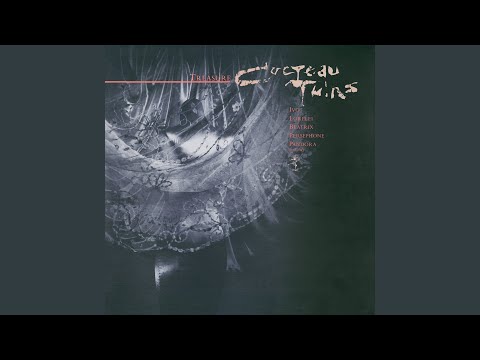
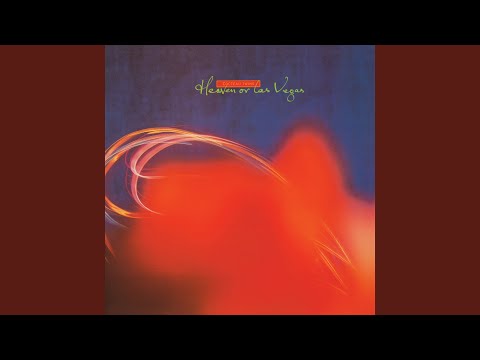
UKアルバム・チャートで見ると、1984年発表の『Treasure』は最高29位、1986年の『Victorialand』は10位、1988年の『Blue Bell Knoll』は15位、そして最大のヒット作となった1990年の『Heaven or Las Vegas』は最高7位を記録した。

しかし同時期の米Billboardでは、最高傑作と名高い『Heaven or Las Vegas』ですら最高99位にとどまった。イギリスのインディー・シーンではアイコン的な存在でありながら、アメリカではほぼ無名という二重の地位。これがコクトー・ツインズの特異な立ち位置だった。

批評家たちは「クランベリーズやEnyaのような、エーテリアルなサウンドを探求するミュージシャンたちに影響を与えたアンダーグラウンドの重鎮」として彼らを評価したが、彼らは商業的な主流からは常に少し距離を置いていた。

それでも彼らの音楽的な磁場は確実に拡大していた。Madonnaはコクトーツインズとフレイザーを「愛している」と公言し、プリンスはバンドを自身のレーベルに迎えようとした。偉大なミュージシャンたちが静かに傾倒していたのだ。

YouTube video

YouTube video

「インスピレーション」の連鎖 ── コクトー・ツインズを愛するミュージシャンたち

コクトー・ツインズの影響を公言しているミュージシャンの顔ぶれは圧倒的だ。ビョーク、イモジェン・ヒープ、M83、アニー・レノックス、ラナ・デル・レイ、トーリ・エイモス、スローダイブ、ライド、プリンス、The Weeknd、マッシヴ・アタック、The Sundays、マイ・ブラッディ・ヴァレンタイン、レディオヘッド、デフトーンズ、レジー・ワッツ──いずれもコクトー・ツインズ、とりわけエリザベス・フレイザーの声が自分の音楽に深い影響を与えたと語っている。

なかでも注目すべき証言がある。キュアーのロバート・スミスはコクトー・ツインズのアルバム『Treasure』を「これまで聞いた中で最もロマンティックな音」と称え、その後リリースされたキュアーの名盤『Disintegration』にはトレジャーのギター・サウンドの影が色濃く残っている。

シューゲイザーの雄スローダイブのギタリスト、クリスチャン・サヴィルは「ピアリー・デュードロップス・ドロップス」を初めて聴いたときのことをこう語る。「そのボーカルと言葉は、今まで聴いたことのないものでした。ギターは巨大で神秘的だった。」同じくライドのベーシスト、スティーヴ・クァーラルトは「コクトー・ツインズはテープに記録されたもっとも素晴らしい音楽のいくつかを残した。ロビンのきらめくギターこそがシューゲイザーというジャンルのすべての始まりだ」と証言している。

ポストロックの世界でも影響は大きく、Explosions in the Skyのクリス・フラスキーはコクトー・ツインズがバンドのポストロックのDNAの一部だと語っている。後日、シモン・レイモンドはExplodions in the Skyに惚れ込み、自身のレーベルBella UnionでUK盤をリリースするほどになった。

クランベリーズとコクトー・ツインズ ── 影の系譜

冒頭の体験に立ち返ろう。私がラジオで感じた「クランベリーズに似ている」という直感は、音楽評論の世界では共通認識だった。

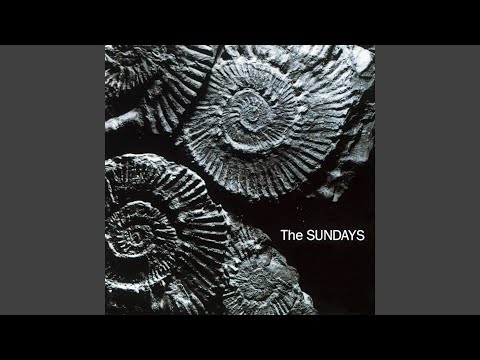
その連鎖を語るうえで欠かせないのが、コクトーツインズとクランベリーズのあいだに位置するThe Sundaysというバンドだ。1988年にブリストル大学でハリエット・ウィーラー(ボーカル)とデヴィッド・ガヴリン(ギター)が出会い結成されたこのイングランドの4人組は、翌1989年にシングル「Can't Be Sure」でデビューするや、英音楽誌メロディー・メーカーの批評家に「今まで聴いた中で最高のもの」と評され、レーベルの争奪戦が起きるほどの衝撃を与えた。1990年にリリースされたデビュー・アルバム『Reading, Writing and Arithmetic』はUKアルバム・チャートで4位を記録した。コクトーツインズのエーテリアルなサウンドとThe Smithsのジャングリーなギターを融合させたようなサウンド、そしてウィーラーの透き通った歌声は、批評家からたびたび「コクトーツインズとThe Smithsの遺伝子を受け継いだバンド」と形容された。彼らは3枚のアルバムを残したのち1997年以降は沈黙を保っているが、その音楽は今もドリーム・ポップの古典として愛聴されている。

1990年代のローリング・ストーン誌はクランベリーズについてこう書いている。「彼らはThe Sundaysに非常によく似ており、The Sundaysはコクトーツインズに強く似ている。彼らが成し遂げたのは、その審美性を自分たちのものにしたことだ。」

ドロレスとギタリストのノエル・ホーガン自身は、コクトー・ツインズからの影響を明確に語ってはいない。むしろノエルはコクトー・ツインズとの類似性を指摘されると「もし他のバンドに似ているとしたら、それは偶然だ」と答えていた。しかし彼らの音楽が、コクトー・ツインズが10年かけて作り上げたドリーム・ポップの美学をアイルランドの土壌に植え直したものであることは、誰の耳にも明らかだ。

Sound On Sound誌はクランベリーズを「コクトーツインズの影響を受けたThe Sundaysの足跡をたどり、1990年代初頭にエヴォケイティブなドリーム・ポップで急速に名声を高めた」バンドと評している。つまりコクトーツインズ→The Sundays→クランベリーズという一方向の影響の連鎖だ。

また、Salon誌の評論は「クランベリーズのアルバム『No Need To Argue』に収録された”The Icicle Melts”はコクトー・ツインズへのオマージュだ」と指摘している。ドロレス本人が意図したかどうかにかかわらず、その血脈は曲のタイトルにまで及んでいた。

YouTube video

コクトー・ツインズは「フォロワー」をどう見ていたか

自分たちの音楽が多くのバンドに模倣されることについて、ガスリーは複雑な感情を持っていた。

ドラウンド・イン・サウンド誌のインタビューでガスリーはこう語った。「自分を真似しようとしているバンドがいるのは分かる。でもそれは、新しいものを作ることへの敬意ではなくなっているんだ。コクトー・ツインズを明日再結成すると言えば誰もがすごいと思うだろうけど、私が今作っているものについてはほぼ無視されている。それが理解できない。」

また別のインタビューでは、「コクトー・ツインズはよくシューゲイザー・ムーブメントのバンドと比較されるが、私たちはそのシーンの一部ではなかった。私はエレクトロニクスのアイデアを押し進めていた。ギターを普通のエフェクター一個に通すのではなく、何個も重ねた。それが自分のアイデアで、それをどこまでも追求したかったんだ」と語っている。

一方でコクトー・ツインズの公式サイトは「他の人々がその音を再現しようと試みてきたが、成功したのはごくわずかだ。成功したアーティストたちはむしろ彼らとは似ていない──ただ何かエッセンスを受け取り、模倣でなくインスピレーションとして昇華した(Beach House、Goldfrapp、Sigur Rós、M83など)。コクトー・ツインズはドリーム・ポップとシューゲイザーというジャンル全体の基盤となった」と記している。

商業的成功 vs. 音楽的影響力

クランベリーズはコクトー・ツインズとは比較にならないほどの商業的成功を収めた。デビュー・アルバム『Everybody Else Is Doing It, So Why Can't We?』だけで全世界数千万枚を売り上げ、「Zombie」「Linger」「Dreams」は世代を超えて口ずさまれている。コクトー・ツインズの最大のヒット作『Heaven or Las Vegas』が英国で23万5000枚を売ったのと桁が違う。

しかし音楽的な影響力という観点では、話が逆転する。

コクトー・ツインズが作り上げたリバーブとエフェクトの美学は、ドリーム・ポップ、シューゲイザー、インディー・フォーク、アンビエント・R&Bに至るまで、21世紀の膨大な音楽のDNAに書き込まれている。クランベリーズがクランベリーズであることができたのも、コクトー・ツインズが10年前にその美学を確立していたからだ。

スローダイブのネイル・ハルステッドはこう語る。「彼らのサウンドや声のスタイルを模倣したトラックはたくさん聴いてきたが、コクトー・ツインズの美しく構成されたコード進行、転調、メロディック・フックを含めているものは少ない。声、ギター、楽曲──それぞれが単独で巨大で深く独自のものだ。私たちのほとんどは、その表面をかすめているに過ぎない。」

クランベリーズの成功は疑いなく偉大だ。しかし音楽の文脈を問うなら、こう言えるかもしれない──クランベリーズはコクトー・ツインズが建てた家に住んだ。そしてその家の設計図は、今もあちこちで引き継がれている。

YouTube video

40年後も色褪せない美しさ

コクトー・ツインズの公式サイトにはこんな一文がある。「そのサウンドと録音のクオリティの時を超えた性質の証として、多くの新しいファンが彼らの物語が1979年に始まったことすら知らない。」

それは最大の賛辞だと思う。いつ作られたかを知らなくても、聴いた人間が「今の音楽だ」と感じてしまう音楽。コクトー・ツインズのアルバムは、40年以上経った今でもそういう音楽だ。

ロビン・ガスリーはかつてこう語った。「リズと一度でも録音できるなら、すぐにでもそうする。でも自分からそれを求めることはしない。もしかしたら化学反応はもう存在しないのかもしれない。でも少なくとも、世界最高の歌手と仕事をした」と。

高校時代の私はクランベリーズという「扉」を通してドリーム・ポップに出会った。でも大人になってラジオで耳にしたコクトー・ツインズは、その扉の向こうに広がる世界が、どれほど深く、美しく、古くて新しいものかを教えてくれた。

Description: Why does Iceland, a nation of 350,000 with virtually no music industry, produce composers who command orchestral language with such quiet authority? This piece traces the parallel lives of Jóhann Jóhannsson—who built an elegy around a discarded IBM computer his father once programmed to sing a hymn—and Ólafur Arnalds, a former metal drummer who accidentally became one of post-classical music's most distinctive voices. At its core, this is a story about what happens when you grow up without genre walls, and how proximity to other musicians can substitute for a conservatory education.

Post-classical music has a lineage that runs parallel to those trained at the Royal Academy or Berklee. It is a lineage of people who grew up without walls between genres—who reach for electronic sound and classical language alike as equally usable material. The two composers that the island nation of Iceland produced, virtually without a music industry infrastructure to speak of—Jóhann Jóhannsson and Ólafur Arnalds—are among the most vivid examples of this.

Jóhann Jóhannsson (1969–2018): An Elegy for a Discarded Computer

A Self-Taught Composer Without Formal Education

Born in Reykjavík, Jóhann Jóhannsson was essentially a self-taught musician. He began playing in bands as a teenager—the indie outfit Daisy Hill Puppy Farm and the alt-rock band HAM—gradually shifting his focus toward composition. He never worked through a conservatory curriculum. That fact is audible in his music: it carries a distinctive dryness that sets it apart from both academic minimalism and the sentimentality of conventional film scoring.

The IBM Computer's Sound: From a Tape His Father Left Behind

One of Jóhannsson's defining works, IBM 1401, A User's Manual (2006), was born from a family memory. In 1964, the IBM 1401 mainframe computer arrived in Iceland for the first time. Seven years later, when a newer model made it redundant, the chief engineer—Jóhannsson's father, Jóhann Gunnarsson—recorded the machine's final “performance” on a reel-to-reel tape.

His father had discovered that by running certain programs, the computer's stray electromagnetic waves could be picked up on a radio receiver—coaxing musical tones from a machine never designed to produce them. It was an early form of computer music.

The IBM 1401 was not built to play music. Yet its operators gave it the ability to sing—programming it to perform the Icelandic hymn “Ísland Ögrum Skorið” (composed by Sigvaldi Kaldalóns). Before it was decommissioned, they held a small funeral ceremony, recording their gratitude and their grief. The act of a computer singing a hymn is the literal origin of the prayer-like quality that pervades that album.

Jóhannsson took this tape and built a work for string orchestra and electronics around it. Mourning for a discarded machine, nostalgia for a lost technology—the fact that he could treat such material as legitimate compositional substance without hesitation may well be a product of having no formal training to tell him otherwise. Academic composition education can draw lines between what is “proper” material and what is not. Jóhannsson had no such lines.

YouTube video

A Film About Copenhagen: A Hidden Masterpiece

Jóhannsson also composed the score for Max Kestner's documentary Dreams in Copenhagen—a film that quietly captures the textures of everyday life in the Danish city. The music is unhurried and deeply unshowy, and compared to his major film scores, it is rarely discussed. Yet it is one of the works in which Jóhannsson's essential nature is most quietly concentrated.

YouTube video

Death at 48

Jóhannsson died in Berlin on 9 February 2018, at the age of 48. The cause was heart failure, with toxicology reports indicating that a lethal combination of cocaine and flu medication was likely responsible. Two years after his death, the only feature film he directed and scored—Last and First Men—had its world premiere at the 70th Berlin International Film Festival, where it received widespread critical acclaim. He died at the height of his creative powers, and that remains one of the most significant losses contemporary music has sustained.

Ólafur Arnalds (1986–): From Metal Drummer to Post-Classical Composer

A Metal Band Drummer as a Starting Point

Born in 1986 in Mosfellsbær, just outside Reykjavík, Ólafur Arnalds began his career as the drummer for hardcore punk and metal bands. This origin may seem hard to reconcile with the delicate post-classical works—built from piano and strings—that he is now known for. Yet it is precisely this background that shaped the distinctive qualities of his music: an instinctive feel for rhythm and a physical familiarity with loop-based structures.

For an artist without formal classical training, if Arnalds absorbed the techniques of minimalism at all, it was almost certainly not through the theoretical writings of Steve Reich or Terry Riley. It was more likely through electronica and loop music—the methodology of building space through repeating patterns and their microscopic variations absorbed not academically but through the physical sensation of club music.

An Accidental Beginning: The Transition to Instrumental Music

Arnalds' transition to post-classical composition was largely accidental. The German metal band Heaven Shall Burn heard some of his bedroom demo recordings and invited him to contribute piano-and-string pieces to their 2004 album Antigone. Robert Raths, founder of the newly formed Erased Tapes label, heard the record and was impressed enough to contact Arnalds about recording a full album. The result was his 2007 debut Eulogy for Evolution, which opened his career as a composer.

re:member: A Natural Fusion with Electronic Sound

His 2018 album re:member is the work in which Arnalds' relationship with electronic music finds its most natural expression. At the heart of the album is a system of his own invention called Stratus: as Arnalds plays notes on a central piano, two self-playing pianos generate different notes in response, creating unexpected harmonies and surprising melodic sequences through a semi-generative process.

What is happening here is a contemporary reframing of minimalism. The logic of Steve Reich's phasing music—building from the displacement of patterns—is reimagined through algorithms and self-playing pianos. Yet the result is not an academic exercise. It is music of surprising warmth and quiet melancholy.

YouTube video

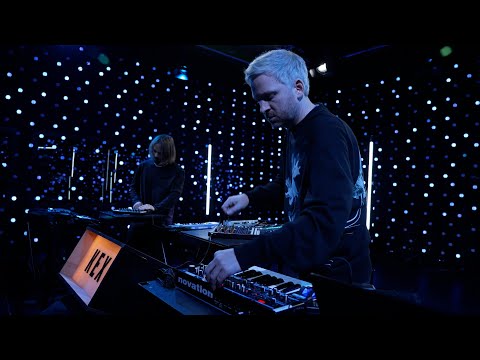
Kiasmos: Crossing into Ambient Techno

In 2009, Arnalds formed the experimental techno project Kiasmos with Janus Rasmussen—a producer born in the Faroe Islands and based in Reykjavík, and a member of the Icelandic electro-pop band Bloodgroup.

Kiasmos inhabits a world clearly distinct from Arnalds' solo work. Ambient atmosphere drifts above techno beats; the border between club music and post-classical is deliberately dissolved. The chemistry between a man who came to post-classical through metal drumming and a man rooted in electro-pop produces something singular: ambient techno that feels as though it might be danced to, yet always seems to be looking somewhere far away.
YouTube video

The Other Pole: Janus Rasmussen and the Aesthetics of Subtraction

Kiasmos cannot be dismissed as Arnalds' side project. What kept it from becoming mere “club music with strings draped over it” is the presence of Janus Rasmussen.

Where Arnalds approached beats from the context of chamber music, Janus began his career in pure electronic music and electro-pop. His solo albums Vín (2019) and the more ambitious Inert (2026) reveal an artist with exceptional control over the space between sounds. On Inert, he incorporates his own vocals more than ever before, drawing new energy from across the dance music spectrum while retaining the subtle restraint that has defined his work.

Janus' brand of minimal techno is characterized by a stripped-back, acoustic-feeling texture and a cold yet quietly melancholic electronic design. That meticulous attention to detail and precision in sound design met Arnalds' lyrical piano melodies.

Arnalds crossing over from the classical side, Janus drawn in from the electronic side: Kiasmos is the inevitable product of two people starting from different places and converging on the same destination—a place of stillness.

YouTube video

What Connects Them: The Freedom of an Island That Knew No Genre Walls

Neither Jóhannsson nor Arnalds received formal conservatory training. As Arnalds himself has noted, because virtually no music industry infrastructure exists in Iceland, its musicians carry a fearlessness about leaping over creative barriers. Placing the sounds of a discarded computer alongside a string orchestra, or a former metal drummer developing algorithms for self-playing pianos—both of these acts emerge from a freedom to move before asking whether one is allowed to.

That freedom is, perhaps, the source of the distinctive lightness in their music: neither the weight of academic seriousness nor the calculation of pop, but the direct product of an instinct for how music ought to feel.


The Dense Network of a Small Island: A Substitute for Formal Education

In an interview, Arnalds put it plainly: “If you're doing music, you kind of know everyone else who is doing music. There is no competition. Because you're not competing for anything. There is no real music business there. You can't make any money. You can't get famous.” In Iceland, where a music industry barely exists, musicians are unusually close to one another.

The most important relationship born from this closeness—for Jóhannsson—was his friendship with the classical cellist Hildur Guðnadóttir.

Jóhannsson and Hildur: Thirty Years That Began with Kitchen Motors

In 1999, Jóhannsson co-founded Kitchen Motors—a think tank, arts organization, and music label based in Reykjavík, designed to draw together people from across the divides of punk, jazz, classical, metal, and electronic music and generate new hybrids between them. Jóhannsson himself described it this way: “We tried to amplify the opportunities that already existed, pulling together people from the worlds of jazz, classical, electronic music, punk and metal to encourage new hybrids. My own music grew out of those experiments.”

It was through Kitchen Motors that Jóhannsson met Hildur Guðnadóttir. Hildur studied cello at the Reykjavík Music Academy, then composition and new media at the Iceland Academy of the Arts and the Berlin University of the Arts—a classically trained musician who would go on to win an Oscar, a Grammy, an Emmy, and a BAFTA. She and the self-taught Jóhannsson built a deep friendship in the late 1990s.

There were periods when the two shared a studio in Berlin. On Jóhannsson's film scores—Sicario, Arrival, Mary Magdalene—Hildur participated as cellist and co-composer. Of Jóhannsson, she has said: “We met in a completely non-verbal place. Our souls got tangled together, and stayed tangled together to this very day. We grew together.”

The image of a self-taught composer and a classically trained cellist complementing each other in the world of international film music embodies what is most characteristic about Iceland's music community: regardless of genre or educational background, those who resonate musically simply find each other.

Arnalds and the Erased Tapes Network

For Arnalds, what stood in place of formal education was the community formed around the Erased Tapes label. His relationship with the German pianist Nils Frahm is the clearest example: from 2012 onward, the two spent countless hours in improvised sessions across studios in Berlin and Reykjavík, producing multiple collaborative releases. Frahm is a classically trained composer, and in their improvisations the differences between them generate a productive friction rather than conflict.

Arnalds' 2016 project Island Songs extended this further still—over seven weeks, he traveled to seven locations across Iceland to co-write a new composition with a different local collaborator each week, connecting directly with performers from Iceland's choral traditions and poetry culture. The arc of a former metal drummer finding his way into Iceland's deeper musical intelligence is captured in the project itself.

Reflection: What “Smallness” Made Possible

Why do Jóhannsson and Arnalds, neither of them formally trained in classical music, nonetheless command orchestral language with such precision? Part of the answer may lie in Iceland's closed musical community. In an island nation of 350,000 people, a self-taught composer from the world of electronic music finds himself sharing rooms with classical musicians as a matter of daily life—and their respective languages seep in through proximity rather than instruction.

Learning not from a degree program but from the person beside you: Reykjavík may have functioned as exactly this kind of organic musical education. The almost thirty-year relationship between Jóhannsson and Hildur, and the ongoing improvisations between Arnalds and Frahm, both support that reading.

概要: 壮大なクライマックスも、わかりやすいフックも存在しない。高木正勝の即興ピアノ・シリーズ(最新作『Marginalia VIII』へと連なる作品群)は、指の間をすり抜ける水のように流れ去り、決して「楽曲」として完結することを拒む。彼は山深い兵庫の自宅で、窓を全開にして鳥や虫や雨とともに録音する。この記事では、西洋音楽が「時間を構造に閉じ込める建築」であるとすれば、高木正勝の音楽がいかに「時間そのものが過ぎ去ること」を音にしているか——その非西洋的・アニミズム的な本質を考える。

高木正勝はいかにして非西洋的でアニミズム的な音風景を喚起するのか

高木正勝は、細田守監督『おおかみこどもの雨と雪』の「Kito Kito」をはじめとする、深い情感を湛えた映画音楽の作り手として広く知られている。しかし、映画的な物語性を取り払い、彼のライフワークとも言える即興ピアノ・シリーズ——最新作『Marginalia VIII』へと連なる一連の作品——にじっくり耳を傾けるとき、私たちは美しくも鮮烈な戸惑いに直面することになる。

そこには壮大なクライマックスも、わかりやすいフックも存在しない。代わりに私たちが出会うのは、絶えず形を変えながら、指の間をすり抜ける水のように流れ去っていく、密度の高い、きらめく音の奔流である。

聴き手を導くことを拒むこの姿勢——その根底にある情緒的な距離感こそが、高木正勝を、現代のアンビエント/実験音楽シーンにおいて最も深く非西洋的で、伝統的な日本性を体現する作家たらしめている。彼の音楽はクラシックの影響やジャズの影響が全く見られない。だから、こうして別の記事にした。

YouTube video

構造と反復からの解放

西洋音楽の歴史とは、本質的には建築の歴史である——時間を捕捉し、区切り、構造という檻に閉じ込めようとする試みだ。マックス・リヒターのようなポストミニマリズムの代表的存在を考えてみてほしい。彼らの作品がどれほど静謐でアンビエントに響こうとも、その根底には堅固な構造的パターンと、執拗な反復(ループ)が横たわっている。聴き手はこの計算され尽くした美しい建築物に進んで身を委ね、そこに情緒的な安心感を見出すのだ。

自由こそが至上であるかに見えるジャズの即興演奏の世界でさえも、その演奏はコード進行、テンポ、身体的なシンコペーションといった共有された言語的コードによって統御されている。

高木の近年の即興演奏は、このいずれの設計図も捨て去っている。彼の指が紡ぎ出す音の糸は、ジャズの身体的グルーヴも、西洋クラシック音楽の形式的な目的論も、ともに拒絶する。それは文字通り流動的な状態——川のように流れ、一つの動機にとどまることなく、定型化された「楽曲」として商品化される暇すら与えないメロディなのだ。

不在の自我がもたらす、遠い慰め

なぜ彼の音楽はこれほどまでに美しく捉えどころがなく、どこか超然として響くのだろうか。それは、高木がピアノの前に座るとき、「人間の感情を表現する」という自我的な衝動を完全に手放してしまうからだ。

兵庫県の山深い土地に暮らす高木は、窓を全開にしたまま録音を行い、周囲の環境そのものを創作のプロセスへと招き入れる。鳥の鳴き声、虫の羽音、雨が刻むパターン——彼はそれらとともにセッションする。この音響的な生態系の中で、ピアノはもはや主役ではなくなる。それは、人間以外の存在からなる巨大なアンサンブルの中の、一介の仲間へと格下げ——あるいは格上げ——されるのだ。

自然は一定のテンポで動くわけでも、劇的な物語の起伏を気にかけるわけでもない。世界の周囲に満ちる摩擦を音へと翻訳する生物的な媒体として振る舞いながら、高木はまるで自動筆記のように即興を行う。

人間中心のメッセージや手軽な感情的カタルシスを期待して彼の音楽に近づく者は、この徹底した自我の不在によって、やんわりと拒まれることになるだろう。しかしこれこそが、自己を自然の支配者としてではなく、自然と分かちがたい一部として捉える、極めて日本的でアニミズム的な音との関係性の本質なのである。

生活空間を、山の聖域へと変容させる

高木の音楽は、オーディオのスイートスポットに座って分析的に聴くようにはできていない。それが求めるのは、呼吸することのできるオーディオ環境である。

彼の音の密度、タッチの微細なニュアンス、そして背景に潜む生態系のざわめきを的確に再現できるシステムで再生されるとき、リスニングルームの境界は溶け始める。スピーカーから流れ落ちるピアノの音と、実際に自分の窓の外を吹き抜ける風とが、不意に一つの、継ぎ目のない現実として溶け合っていくのだ。

これは消費されるためのポップ・ミュージックでも、分析されるためのアカデミックな現代音楽でもない。それは、無頓着に、そして美しく過ぎ去っていく時間そのものの、贅沢で野生的な響きなのだ。

概要: スティングがルネサンスのリュート音楽を録音した、というと軽いアルバムを想像するかもしれない。しかしこの作品は、400年前の「ポップソング」と呼ぶべき歌を、その本来の姿に返した真摯な試みだ。ジョン・ダウランドとは何者だったのか、平均律以前の音律がいかに独特の幽玄さを生んでいたのか、そしてリュートという楽器がどのように「親密な自己伴奏」から「独奏の芸術」へと進化したのか——初期音楽の本質を、スティングというポピュリストの視点から解き明かす。

疲れた心を癒す完璧なアコースティックBGMを探しているなら、スティングの2006年アルバム『ソングス・フロム・ザ・ラビリンス』をぜひ聴いてほしい。クラシックの名門レーベルドイツ・グラモフォンからリリースされたこの作品は、単なるロックスターによる便乗企画では断じてない。ルネサンス期イングランドの作曲家ジョン・ダウランド(1563–1626)の憂愁の世界へと、深く、真摯に踏み込んだ一枚だ。

現代のロックアイコンと、ルネサンスのリュート奏者兼作曲家——一見、まるで接点がないように思える。しかし深く掘り下げてみると、この組み合わせがなぜこれほど自然に感じられるのか、そしてなぜ初期音楽本来の、民衆に寄り添う本質をこれほど美しく捉えているのかが、鮮明に見えてくる。

驚くべき共鳴——スティングとジョン・ダウランド

このアルバムが見事に成立している理由は、二人のアーティストが多くの共通点を持っているからだ。

  • ルネサンスのシンガーソングライター:現代の私たちはダウランドを「クラシック作曲家」として捉えがちだが、当時の彼はまさしくシンガーソングライターだった。聴衆に直接語りかけるような、感情豊かなメロディを書いた人物——それはスティングがロックとジャズの世界で何十年もやり続けてきたこととまったく同じだ。
  • 憂愁という美学:エリザベス朝後期のイングランドには、知的な「メランコリー(憂愁)」を讃える文化的潮流があった。美しい悲しみに浸る、その感性の王者こそダウランドだった。スティングのハスキーで燻し銀の声は、その人間的な疲労感と哀愁を完璧に体現している。
  • ポピュリストの直感:二人は、アカデミーやコンサートホールではなく、一般の聴衆に直接届くメロディを書くという深い本能を共有している。スティング自身、ダウランドの歌を「400年前のポップソング」と表現しており、このコラボレーションがなぜこれほど自然に感じられるかを端的に言い表している。

ジョン・ダウランドという不滅の天才:単なる「憂鬱」を超えて

このコラボレーションがなぜこれほどまでに胸を打つのかを理解するには、ダウランドという作曲家自身の突出した才気に目を向ける必要があります。厳格な教会音楽が支配的だった時代において、ダウランドは急進的な「メロディメーカー」でした。彼は、人間の「ため息」の輪郭をそのままなぞったかのような、息をのむほど美しく、幾重にも重なる旋律(フック)を生み出す超自然的な才能を持っていたのです。

彼のモットーが「常にダウランド、常に哀しみを(Semper Dowland semper dolens)」であったことは有名ですが、その哀しみは決して聴き手を抑圧するような重苦しいものではありませんでした。それはどこまでも「寄り添うような優しさ(共感)」に満ちていたのです。

ダウランドの音楽は、ただ絶望に沈むのではなく、傷ついた心の逃げ場(サンクチュアリ)となってくれました。それは言うなれば、ルネサンス期の「真夜中のアンビエント・ミュージック」。人間の脆さをそっと肯定してくれるその響きは、ステージの上の演奏というよりも、暗闇の中で静かに痛みを分かち合う、秘密の告白のように響きます。だからこそ、彼のメロディは400年経った今でも、1日たりとも色褪せることがないのです。

平均律以前——職人の音律

ダウランドの音楽が纏うあの独特の幽玄な雰囲気を理解するためには、近代以前に音がどのように扱われていたかを知る必要がある。

ダウランドが生きた時代は、J・S・バッハと平均律の確立——オクターブを数学的に等間隔な12の音に分割する現代の調律法——よりもはるか以前だ。ルネサンス期には「中全音律(ミーントーン)」などの調律法が用いられており、特定のコードは息をのむほど純粋で透明に響く一方、別のキーでは耐えられないほど音が濁り、実用不可能だった。

そのため、調律はひとえに演奏者個人の裁量と職人技に委ねられていた。

現代のギターのように固定された金属フレットと異なり、ルネサンス・リュートのフレットはガット弦(腸弦)をネックに巻き付けたものだ。奏者は演奏前に、1曲ごと、耳だけを頼りにフレットを1ミリ単位でずらして調整しなければならなかった。主要なコードが純正で、ビートのない響きになるよう、曲のキーに合わせてフレット位置を最適化するのだ。さらにダウランドたちは、わずかに「不完全」な音程が生み出す緊張感ある不協和音を意図的に使い、人間の悲嘆や感情的な張り詰めを音で表現した。

リュートの変遷——親密な伴奏楽器から独奏の頂点へ

この職人的な調律のあり方は、リュートが社会でどのような役割を担っていたかを如実に反映している。そしてその役割は、時代とともに大きく変化した。

原点——自己伴奏という表現形式

16世紀において、ダウランドの大ヒット歌集は、独創的なレイアウトで出版されていた。1ページに主旋律、リュートの記譜法、そして別声部が逆さまや横向きに印刷されていたのだ。これにより、一人の演奏者がアコースティックで親密な「リュート歌曲」を一人で歌い演奏できるようになっていた。あるいは小さなグループが一つのテーブルを囲んで、ハーモニーを重ねることもできた。

独奏の独立——ヴィルトゥオーゾへの進化

これらの声楽曲が広く愛されるようになると、変化が生じた。音楽家たちやダウランド自身がこう考え始めた——「これほど素晴らしいメロディを、歌手なしにリュート一本で全声部を同時に鳴らせるよう編曲できないか?」

こうして数十年をかけて、リュートは高度に複雑な多声的独奏楽器へと変貌を遂げた。後期バロック期には、驚異的な器楽独奏のための媒体へと完全に進化していた。

スティングのアプローチが証明したこと

リュートが複雑な古楽独奏楽器として認知されるようになった歴史的経緯から、現代のリスナーはダウランドといえば、遠いリサイタル舞台の上に立つ声楽訓練を受けた歌手が歌うものだと思い込んでいる。 しかしオペラ的な格式を取り払い、燻し銀のカジュアルな声とリュートを組み合わせることで、スティングはこれらの歌を400年前の本来あるべき姿——その真のDNAに回帰させた。

巨匠と共演者

スティングはリュート特有の密な弦に要求される過酷で特殊なテクニックを長年練習したが、自らの限界も弁えていた。アルバムの演奏面を支える要として、彼が起用したのがエディン・カラマゾフ——世界屈指のリュートの巨匠だ。

アルバムを通じてカラマゾフが紡ぐ完璧な音の綾の上で、スティングは親しみやすく語りかけるような温もりで歌い、ときにリュートのデュエットにも加わる。

教科書的な解説を飛び越えて、音楽が直接感情の核心を打ち抜く体験を求めるなら、ぜひソングス・フロム・ザ・ラビリンスを手に取ってほしい。美しく憂愁に満ちた歌は、時代を超えて普遍であることの、これ以上ない証明がここにある。

YouTube video

もっと深く——純粋なソロ・リュートの世界へ

スティングのアルバムを入り口として、歌詞のない純粋なリュート独奏の魔法をもっと探求したくなったなら、古楽の専門家たちの演奏を聴いてほしい。

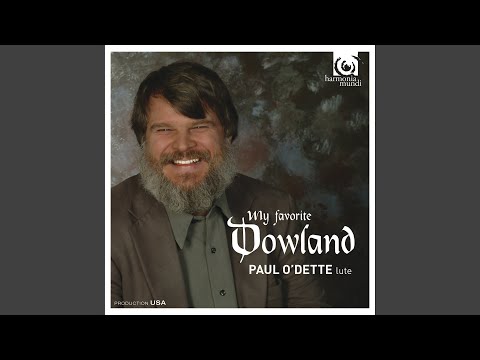
ダウランドの独奏を体験するための決定盤として、ポール・オデットの名盤『マイ・フェイバリット・ダウランド』(ハルモニア・ムンディ)は絶対的な基準点だ。オデットは歴史的演奏実践の分野における伝説的存在であり、ガット弦に触れる指先の温もり、呼吸するような間合い、そしてダウランド作品の深い感情的奥行きを余すところなく伝える。一語の歌詞もなく、その指が純粋なエリザベス朝の憂愁の本質を織り上げていく。

その繊細な音の綾と、静謐な美しさは、以下から体験できる:

YouTube video

ソングス・フロム・ザ・ラビリンスを聴き、オデットのソロ作品へと踏み込んでみてほしい。美しく憂愁に満ちた歌は、時代を超えて普遍であることの、これ以上ない証明がそこにある。